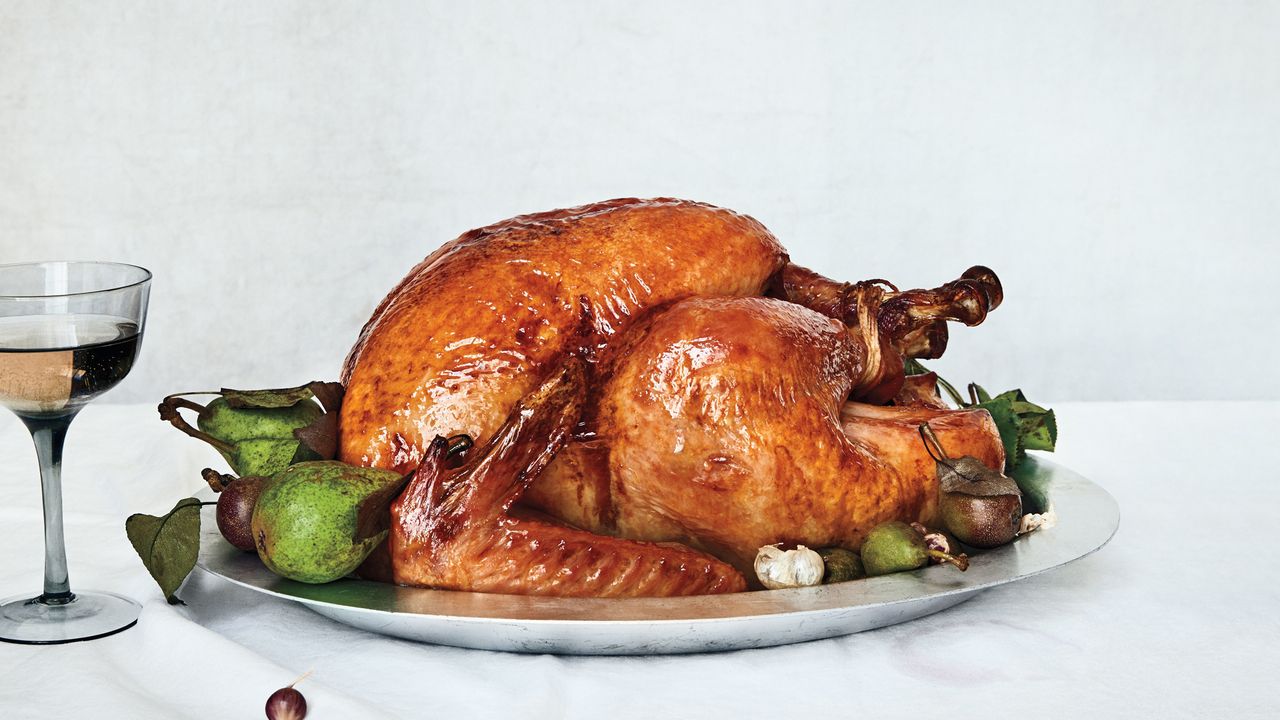
Dry Brine Turkey: Your Secret to Unforgettable Flavor and Texture
Thanksgiving dinner, Christmas feast, or any special occasion involving a whole roasted turkey can be both exciting and daunting. The ultimate goal? Meat that’s incredibly juicy and tender, paired with skin that’s irresistibly golden and crispy. While many home cooks traditionally reach for a wet brine, there's a simpler, more effective method gaining popularity for its foolproof results and mess-free process: how to dry brine a turkey. If you're ready to elevate your holiday bird from good to legendary, you've come to the right place. This comprehensive guide will walk you through the magic of dry brining, ensuring your turkey is the star of the show.
What Exactly is Dry Brining, and Why Does it Work Wonders?
Unlike its liquid-laden cousin, the wet brine, a dry brine involves no giant buckets of saltwater sloshing around your fridge. Instead, it’s a remarkably elegant technique that relies purely on salt and aromatics to transform your turkey. A dry brine is essentially a seasoned salt rub applied directly to the turkey's surface, which then works its magic over time in the refrigerator. The process is a culinary marvel, delivering two primary benefits that are hard to achieve with other methods:
The Science Behind Juicy Meat
When you apply a dry brine, the salt immediately begins to draw moisture out from the turkey's flesh through osmosis. As this moisture collects on the surface, it dissolves the salt and any accompanying herbs and spices. This newly created, highly seasoned liquid is then reabsorbed back into the turkey. This "self-brining" action ensures that the flavor penetrates deep into the meat, seasoning it from the inside out. The salt helps to break down muscle fibers, leading to a more tender texture, and also enhances the turkey's natural ability to retain moisture during the high heat of roasting. The result is consistently juicy, flavorful meat throughout every bite.
The Secret to Crispy Skin
One of the most celebrated advantages of dry brining is its profound effect on the turkey's skin. As the turkey rests uncovered in the refrigerator for 24-48 hours (or even longer), the circulating cold air works to thoroughly dry out the skin. This isn't just about surface moisture; the salt also helps to draw out any remaining moisture that might hinder crisping. By the time your turkey hits the oven, its skin is perfectly primed to achieve that coveted, shatteringly crisp, golden-brown finish that often eludes traditionally brined or unbrined birds. It's truly a game-changer for skin enthusiasts!
How to Dry Brine a Turkey: Your Step-by-Step Guide
Ready to experience the magic for yourself? Here’s a simple, foolproof guide on how to dry brine a turkey, ensuring a delicious and stress-free cooking experience.
1. Prepare Your Turkey
- Thaw Completely: Ensure your turkey is fully thawed. A large turkey can take several days in the refrigerator. Never dry brine a frozen or partially frozen turkey.
- Remove Giblets & Neck: Reach into the turkey's cavities and remove the neck and giblet packet. These can be reserved for gravy or stock.
- Pat Dry, Dry, Dry: This step is critical! Using plenty of paper towels, thoroughly pat the entire surface of the turkey dry. Get into all the nooks and crannies, inside the cavity, and under the wings. The drier the surface, the better the salt adheres and the more effective the brining process will be.
2. Create Your Dry Brine Mixture
The beauty of a dry brine is its simplicity, but you can customize it with your favorite aromatics. A good starting point often includes:
- Kosher Salt: This is non-negotiable. Its coarser grains are easier to handle and dissolve more slowly than fine table salt. Aim for approximately 1 tablespoon of kosher salt per 4-5 pounds of turkey. So, for a 15-pound turkey, you'd use about 3-4 tablespoons.
- Freshly Ground Black Pepper: About 1-2 teaspoons.
- Garlic Powder: 1-2 teaspoons for an aromatic base.
- Dried Herbs: Mix in 1-2 tablespoons of your favorite dried herbs like rosemary, thyme, sage, or a poultry blend. Fresh herbs can also be finely chopped and added.
- Optional Additions: Consider a pinch of onion powder, paprika for color, or even citrus zest for brightness.
Combine all ingredients thoroughly in a small bowl.
3. Apply the Brine
Using your hands, generously rub the dry brine mixture all over the turkey. Be sure to cover every surface: the breast, legs, wings, and back. Gently lift the skin over the breast and thighs and rub some of the mixture directly onto the meat underneath. Don't forget the cavity!
4. Refrigerate, Uncovered
Place the brined turkey on a wire rack set inside a rimmed baking sheet. This setup allows for air circulation around the entire bird, crucial for drying the skin. Transfer the turkey, uncovered, to your refrigerator.
How long should you dry brine a turkey? Aim for a minimum of 24 hours, but 48 hours is ideal for optimal flavor penetration and skin drying. Some recipes even suggest up to 72 hours for larger birds. The longer it brines (within this window), the more deeply seasoned and tender your turkey will become. This advanced preparation is a huge advantage, allowing you to Dry Brine Turkey: Get Ahead for a Flavorful, Crispy Thanksgiving.
5. Rinse and Dry (Again!) Before Roasting
On roasting day, remove the turkey from the refrigerator. You'll notice the skin looks noticeably drier, and the meat may have tightened slightly. This is one of the only times it's recommended to wash a turkey: rinse the turkey thoroughly under cool running water to remove any excess salt from the surface. This prevents the finished product from being too salty. Immediately after rinsing, pat the turkey excruciatingly dry once more with paper towels. Any residual moisture will impede the crisping process.
Beyond the Basics: Tips for Dry Brine Turkey Perfection
- Don't Overdo the Salt: While salt is the star, more isn't always better. Stick to the recommended ratios for kosher salt. Using table salt can make your turkey too salty due to its finer grain and higher sodium content per volume.
- No Need for Extra Seasoning (Usually): Because the dry brine permeates the meat, you typically won't need to add much, if any, additional salt or seasoning before roasting. A simple brush of melted butter or olive oil, perhaps with a sprinkle of fresh herbs, is usually sufficient.
- Faster Roasting Times: Dry-brined turkeys can sometimes cook slightly faster than unbrined turkeys. Always use a meat thermometer inserted into the thickest part of the thigh (without touching bone) to ensure it reaches 165°F (74°C) for safe consumption. This efficiency can be a lifesaver on busy cooking days.
- Mess-Free Mastery: One of the biggest advantages is avoiding the logistical nightmare of a wet brine. No wrestling with large buckets or worrying about cross-contamination from sloshing liquid. It truly is a Forget Wet Brines: Dry Brine Turkey for Mess-Free Perfection method.
- Flavor Variations: Don't be afraid to experiment with your dry brine mixture. Consider smoked paprika, chili powder, brown sugar for a hint of sweetness, or even a dash of dried citrus peel.
- Consider Compound Butter: For an extra layer of flavor and moisture, prepare a compound butter (butter mixed with herbs, garlic, and citrus zest) and spread it under the skin over the breast before roasting.
The Perfect Turkey Awaits
Learning how to dry brine a turkey is more than just a technique; it's a commitment to culinary excellence. This simple, yet incredibly effective method guarantees a turkey that boasts deeply seasoned, remarkably juicy meat and a crispy, golden skin that will have everyone asking for your secret. Say goodbye to bland, dry birds and soggy skin. Embrace the dry brine, simplify your holiday prep, and get ready to serve the most delicious turkey your family and friends have ever tasted.
